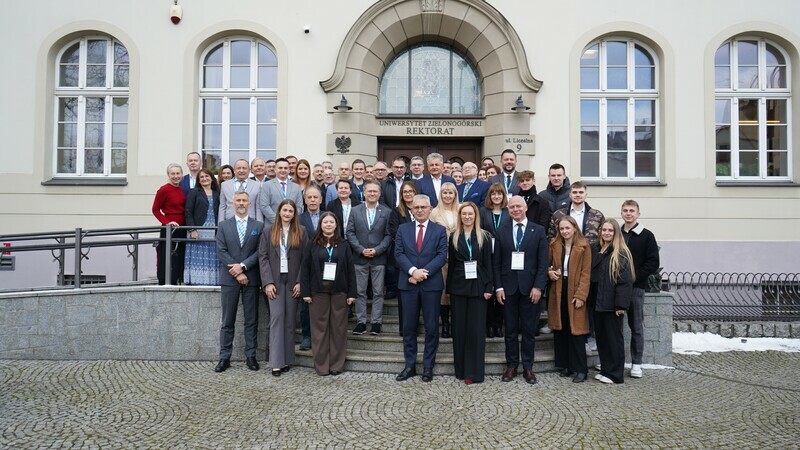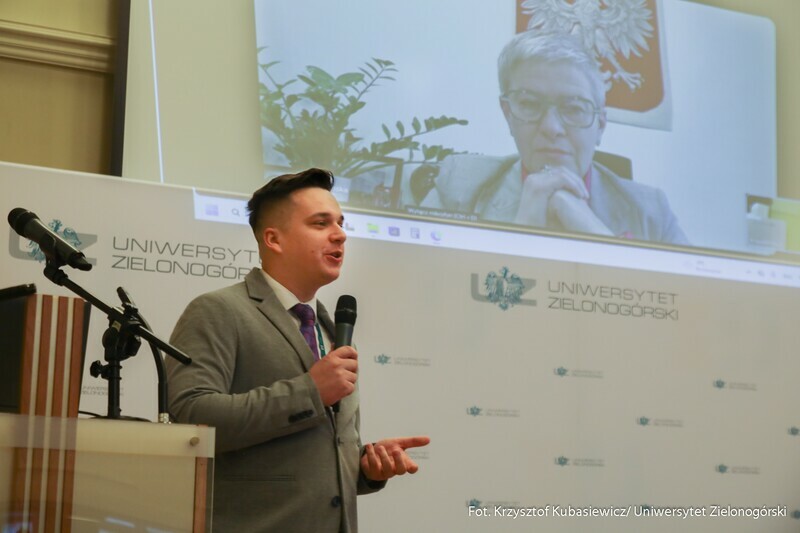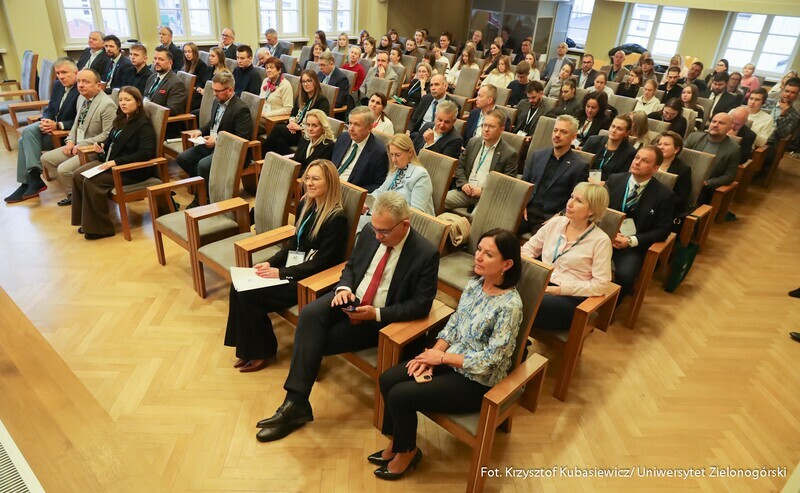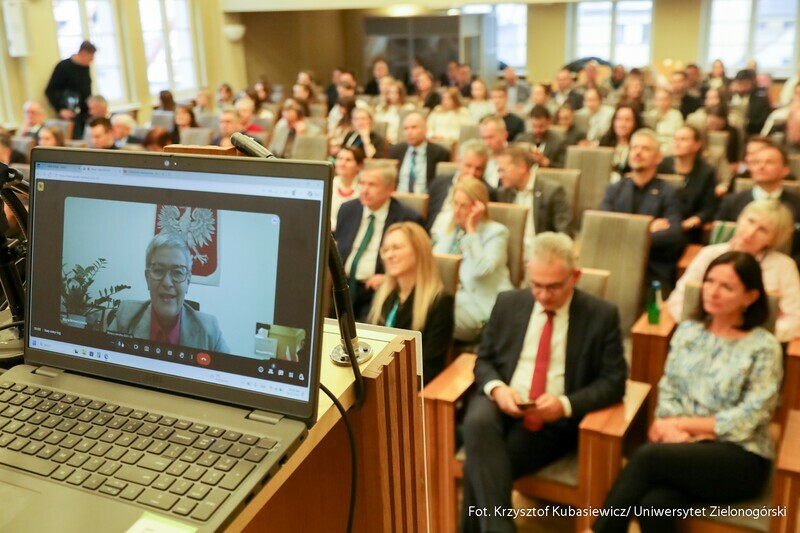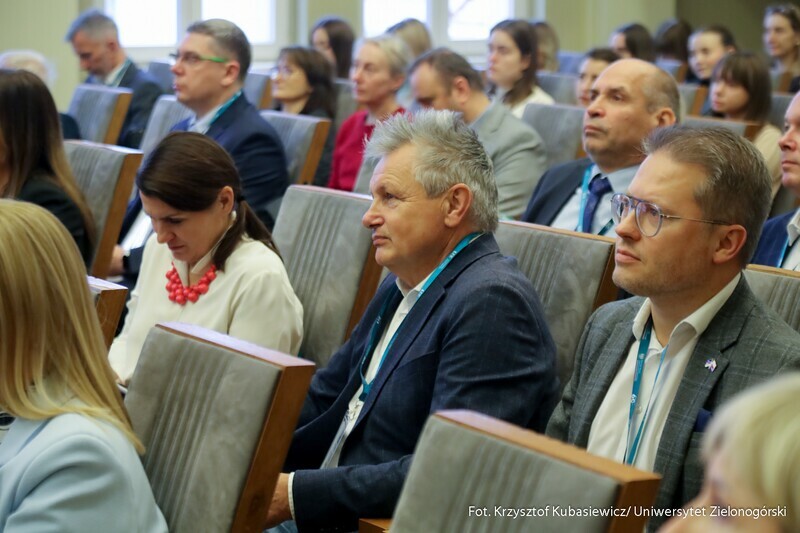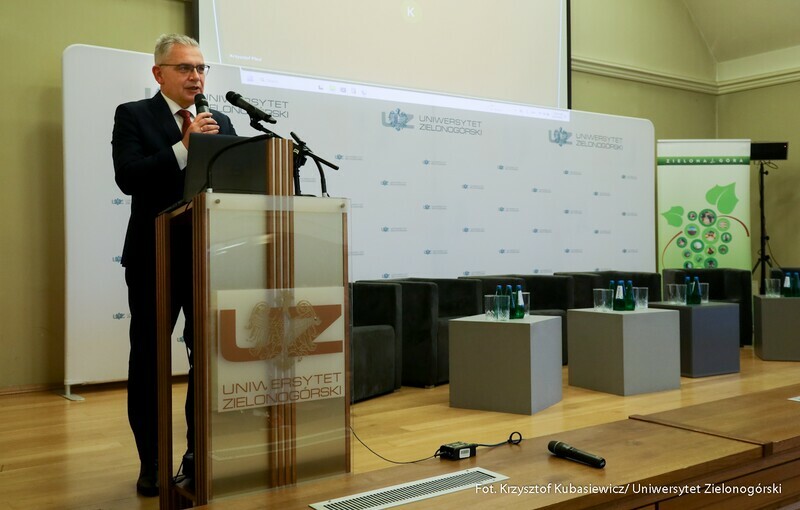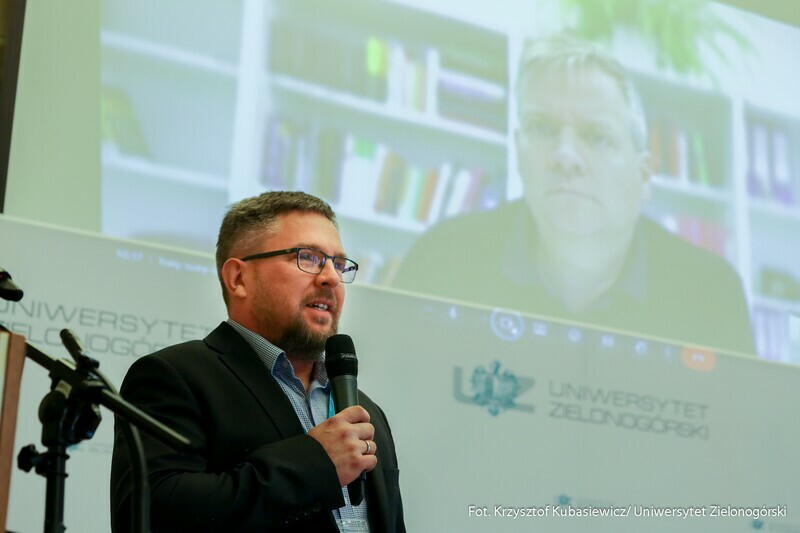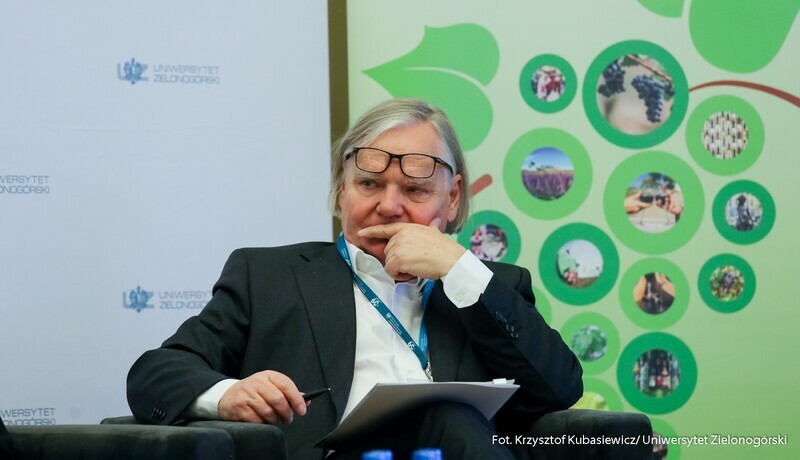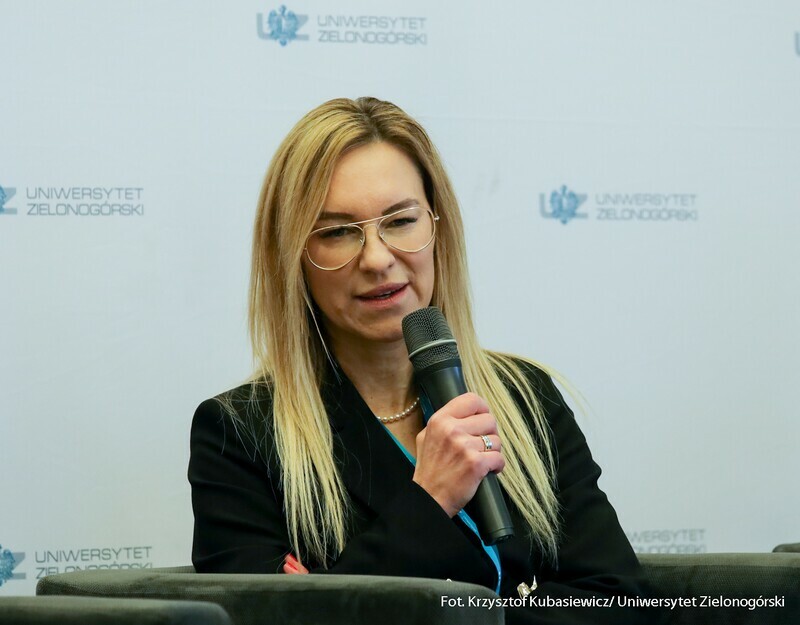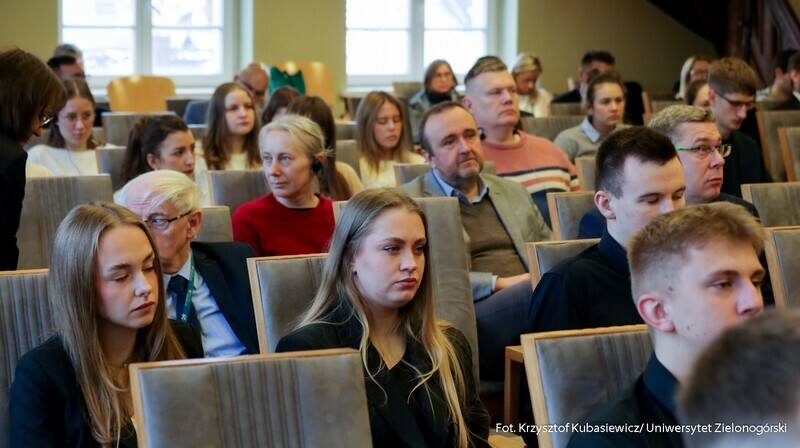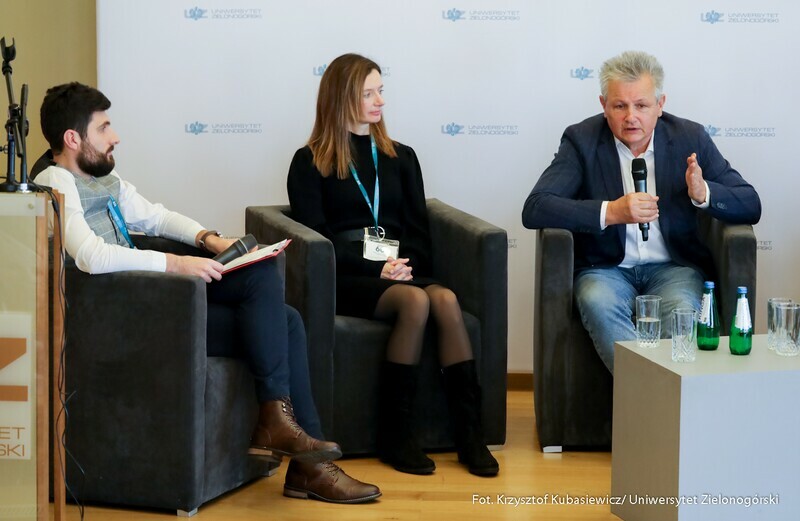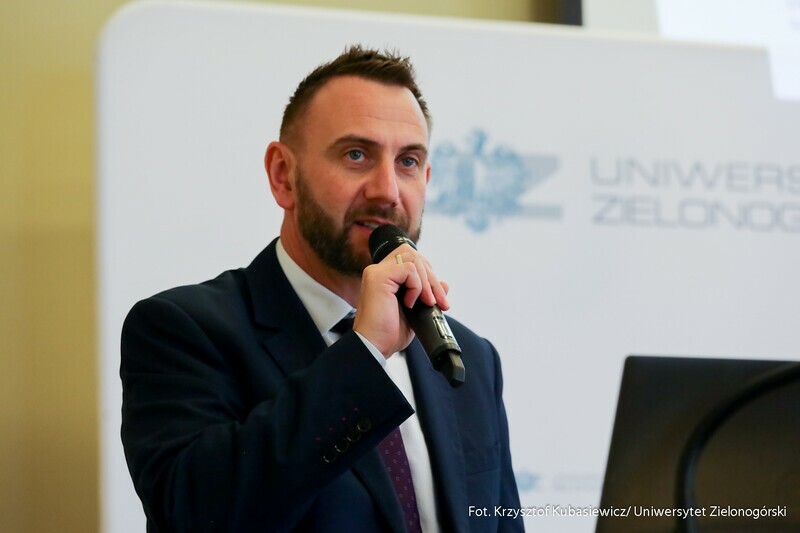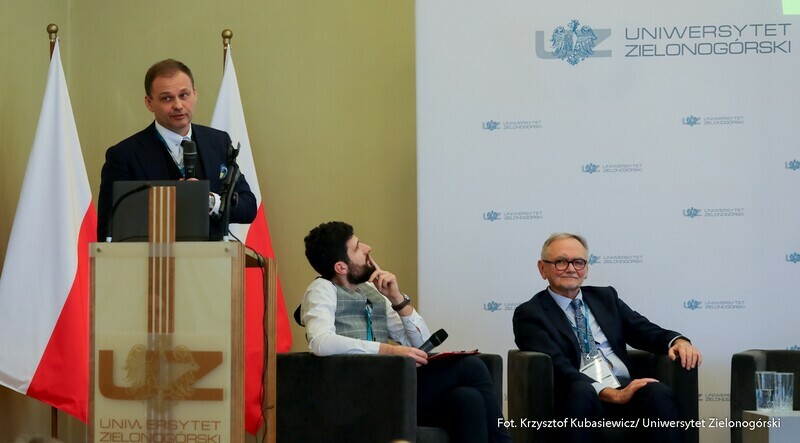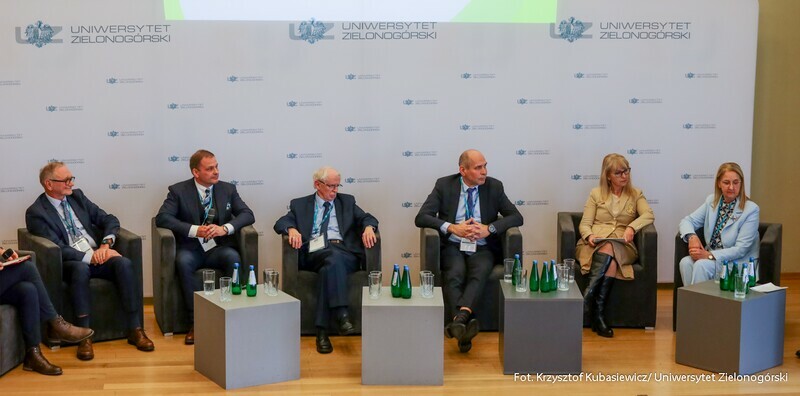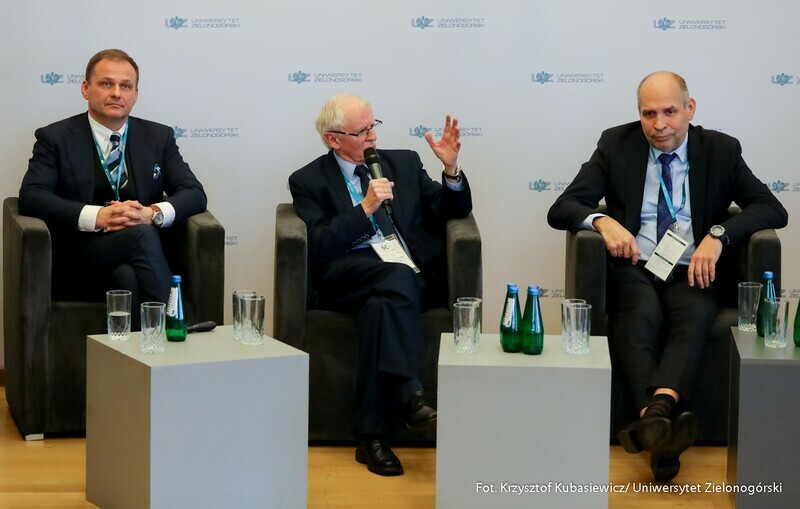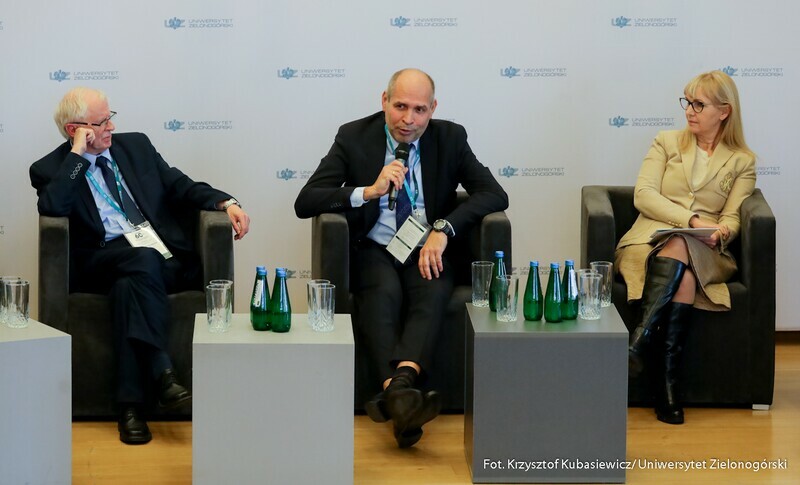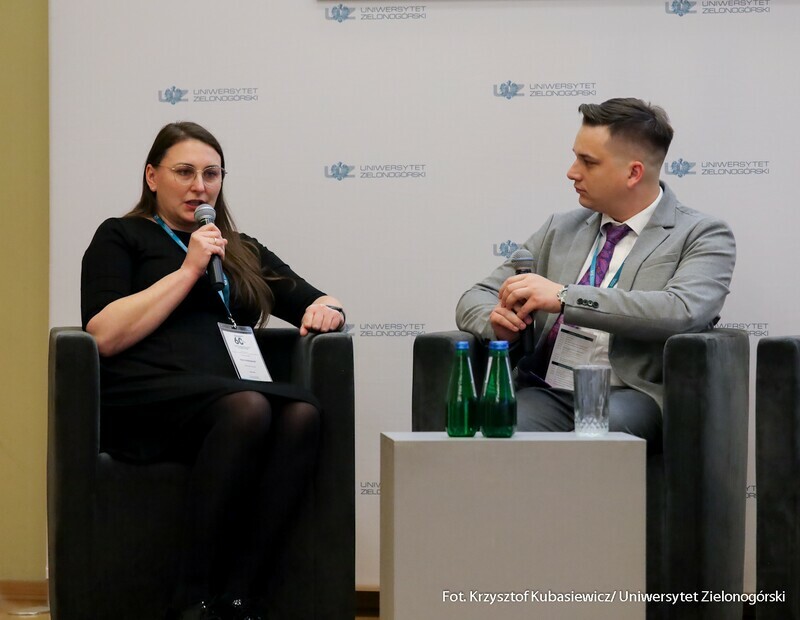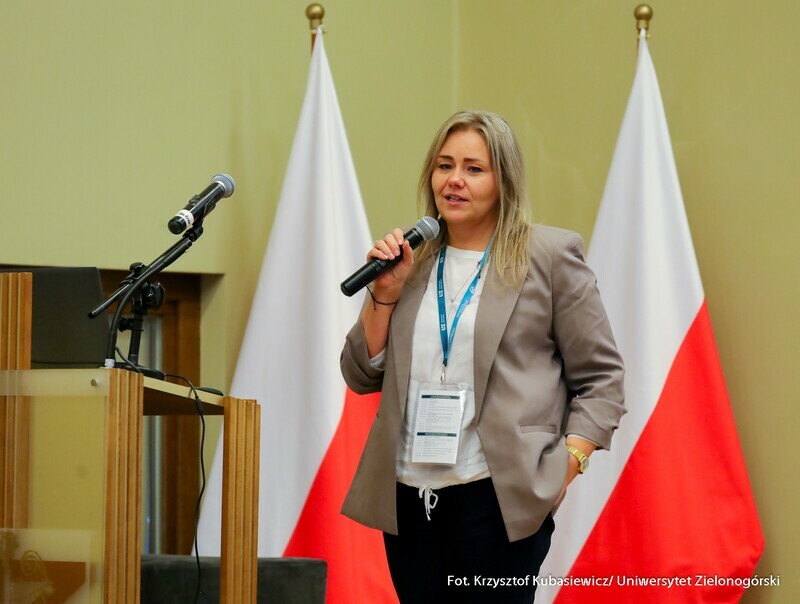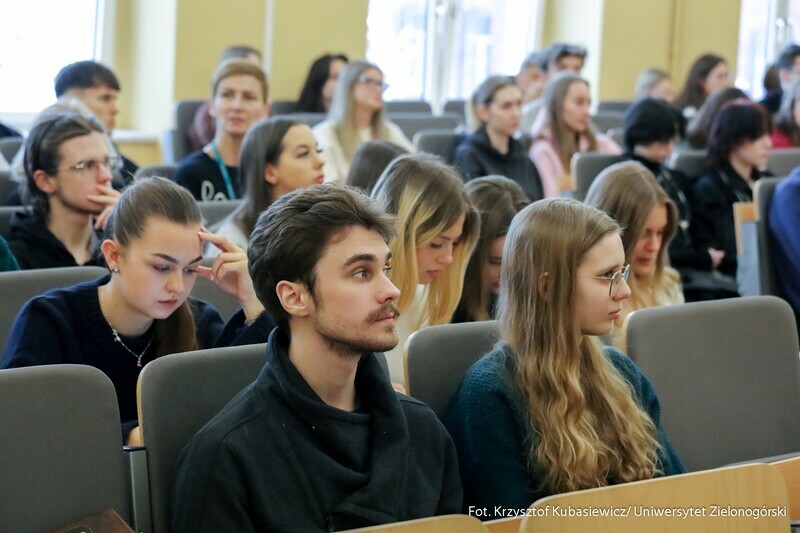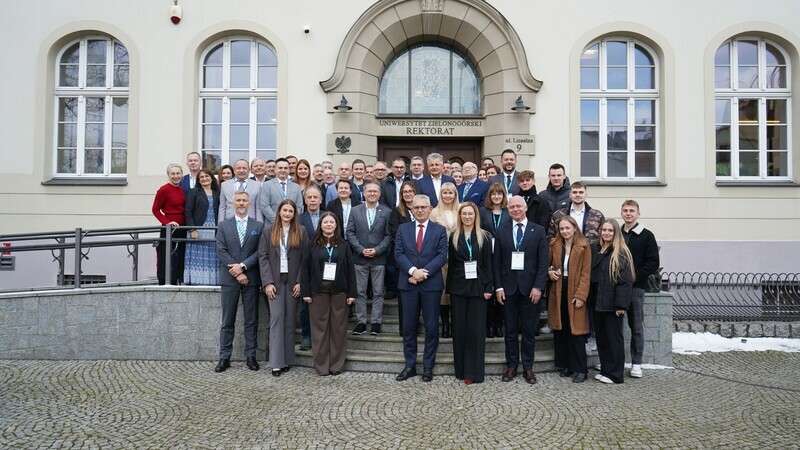
Under the slogan “Internationalisation of Science – Challenges and Opportunities”, a conference devoted to cross-border scientific cooperation was held at the University of Zielona Góra on 25–26 November. The event was organised as part of the jubilee project “60 Years of Discoveries, 60 Years of Inspiration: The University of Zielona Góra for Society”. The main theme of the meeting was cross-border scientific cooperation – good practices and challenges.
The extensive programme included expert panels with participants from Poland and Germany. Specialists discussed the role of universities in international cooperation. The agenda also featured presentations of projects funded by NAWA, Interreg, EUNICE, Horizon Europe and PROM, as well as discussions on space law and the potential of the space industry in the region.
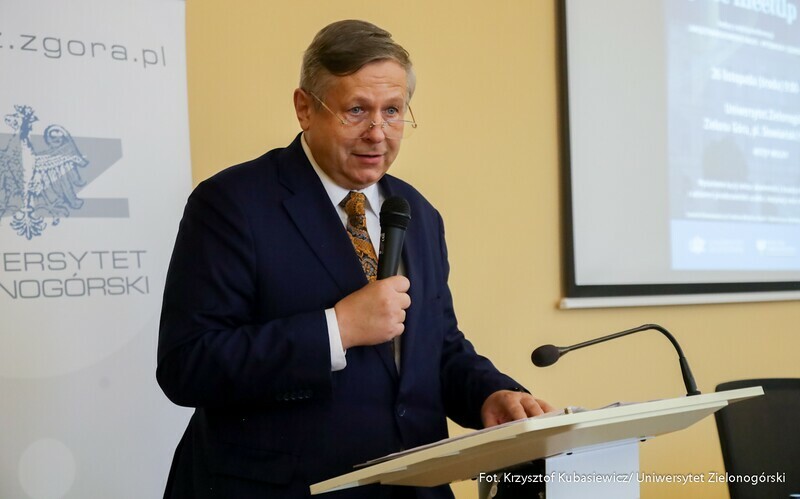
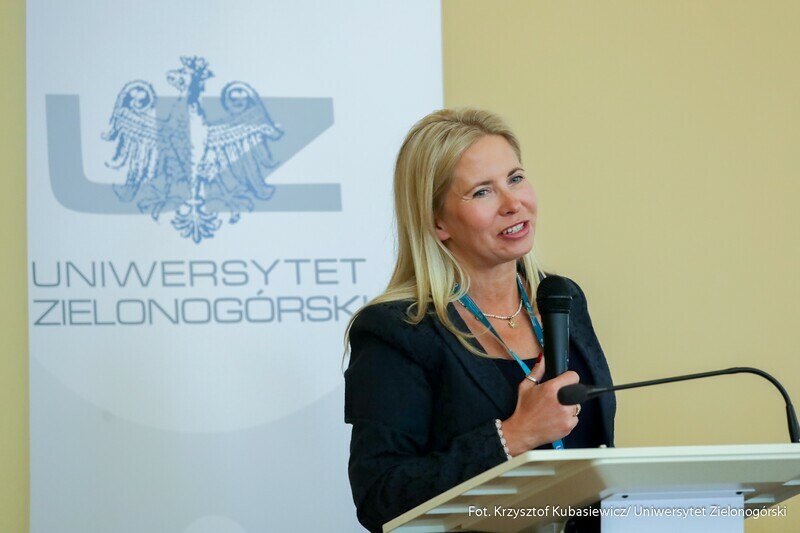
“We are talking with our partners about international cooperation that has already taken place, as well as about our joint plans for the future. We implement projects related to the Erasmus+ programme and the Polish National Agency for Academic Exchange (NAWA). Together with our partners, we also carry out projects within the framework of European universities. Today we are meeting in a very international group. Cross-border cooperation is of particular importance to us, as it creates many opportunities for the exchange of experience, students and staff,” said Prof. Justyna Patalas-Maliszewska, DSc, Eng., Vice-Rector for Research and International Cooperation at the University of Zielona Góra.
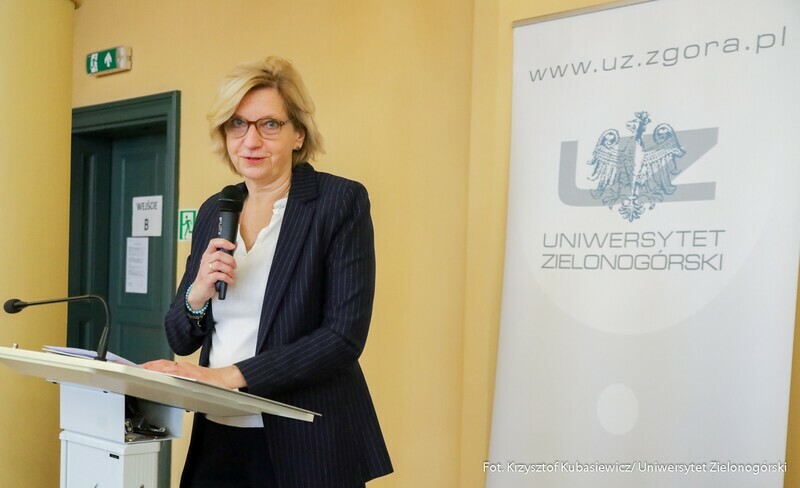
The positive aspects of cooperation between border-region universities and neighbouring countries were also highlighted by Dr Magdalena Kowalczyk, Director of the NAWA Programmes for Researchers Office.
“There is easier mobility here. These are not only scientific relations, but also connections on a tourist level. Common priorities may also emerge – such as the issue of the Oder River some time ago. Regional cooperation is therefore very important locally. It is one of the aspects of European and global internationalisation. My task during this meeting is to present the NAWA offer, which is very broad and diverse. We focus primarily on programmes that attract foreign students to Polish universities. We also have a very important mission related to promoting the Polish language,” she said.
During the first day, the discussions focused, among other topics, on:
sustainable development of a cross-border competence network for knowledge and technology transfer in the field of lightweight construction oriented towards practical applications,
knowledge and technology transfer in renewable energy sources, intelligent energy storage and the hydrogen economy,
a Polish-German innovation network supporting long-term and sustainable strengthening of the Sprewa–Nysa–Bóbr border region through needs-based education and retention of skilled workers – diagnosis of challenges and resources,
Cross-Border Experience Gardens.
It is worth emphasizing that the conference “Internationalisation of Science – Challenges and Opportunities” was organised as part of the jubilee project “60 Years of Discoveries, 60 Years of Inspiration: The University of Zielona Góra for Society”.
“For many years, the University of Zielona Góra has demonstrated that it is a university for everyone. The 60th anniversary of the academic community in Zielona Góra provides a solid foundation for leading the entire region towards a better quality of life. We confirm that universities have a huge impact on social development, not only scientific development,” stressed Prof. Maria Mrówczyńska, DSc, Eng., Deputy Minister of Science and Higher Education.
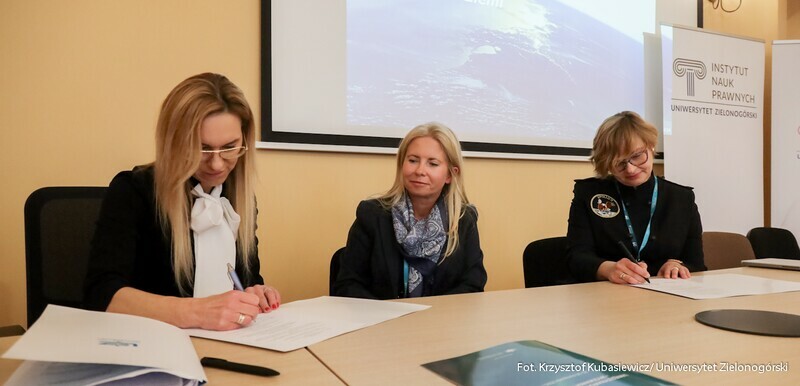
One of the key points of the two-day event was the signing of an agreement on the accession of the University of Zielona Góra (Institute of Legal Sciences) to the Manfred Lachs Space Law Centre operating at the University of Warsaw.
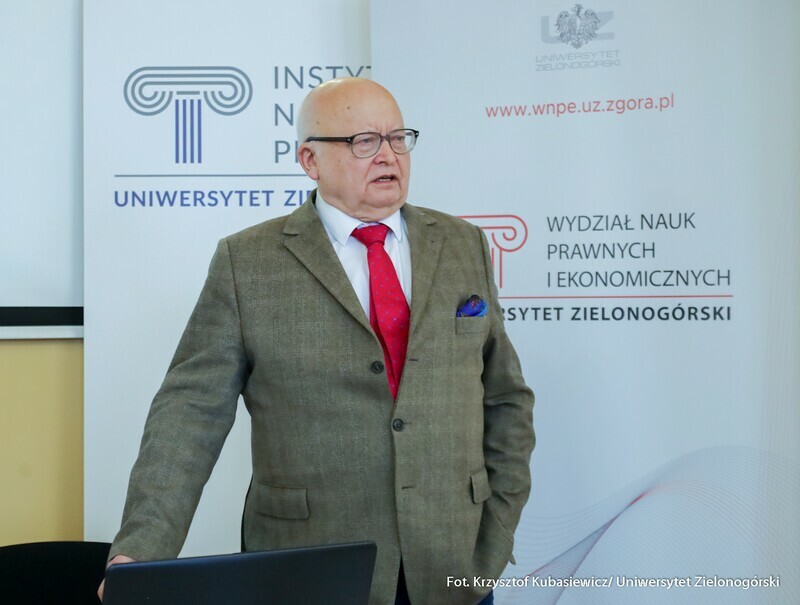
“The space sector is a new but very rapidly developing field of science. It is extremely important for us and for our students, as it combines theory with practice. Space law is a future-oriented sector, attracting growing interest. It is a promising vision for the future,” explained Dr hab. Izabela Gawłowicz, Professor at the University of Zielona Góra from the Institute of Legal Sciences.
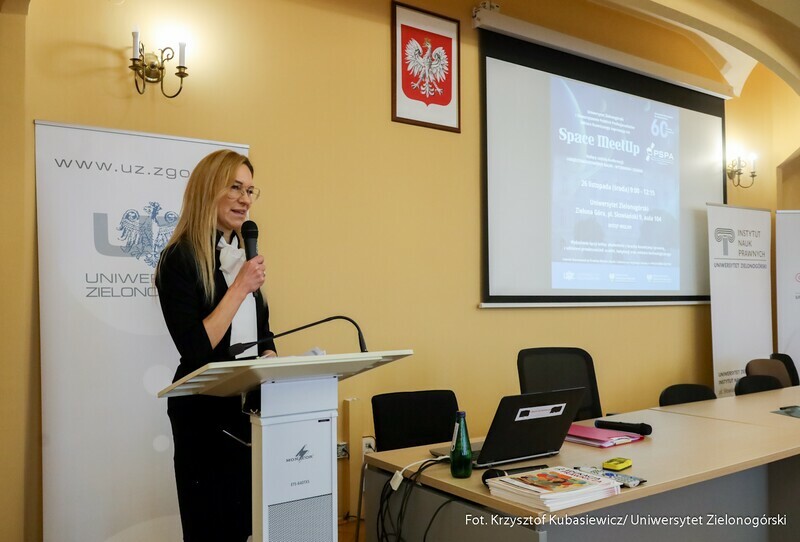
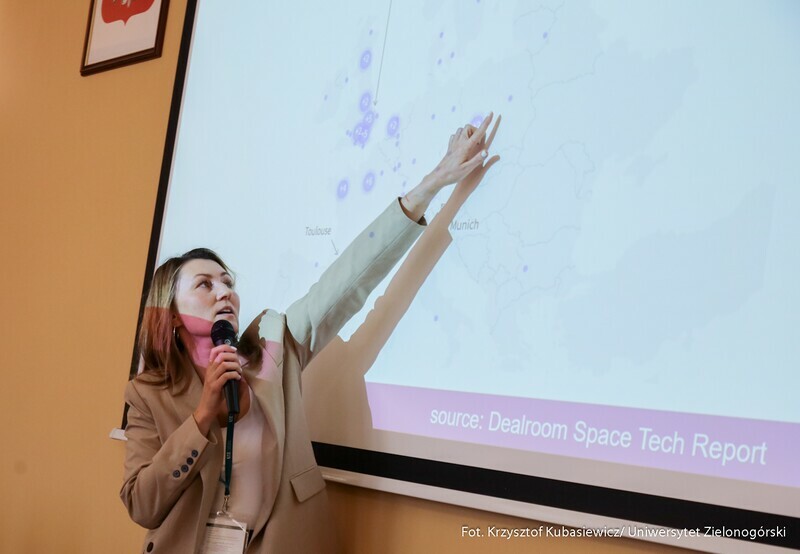
The substantive part of the Space MeetUp was opened by a representative of GoCosmic, Justyna Redełkiewicz, who emphasised the interdisciplinary nature of the space sector, which is also open to specialists outside engineering (e.g. law, AI, management). The first panel focused on legal issues, including philosophical and legal aspects, liability for space damage and the impact of artificial intelligence. The second panel, with the participation of the Director of the Space Research Centre of the Polish Academy of Sciences, the Space Technology Park, and the Institute of Astronomy of the University of Zielona Góra, was devoted to the economics of space, including development directions and opportunities for the Lubuskie region.
The event concluded with a visit to the Space Technology Park in Zielona Góra, where, among other highlights, the Space Research Centre of the Polish Academy of Sciences presented a humanoid robot used in innovative research projects.